Watch

The 'Watering' in Lommel-Kolonie. Chances for the future

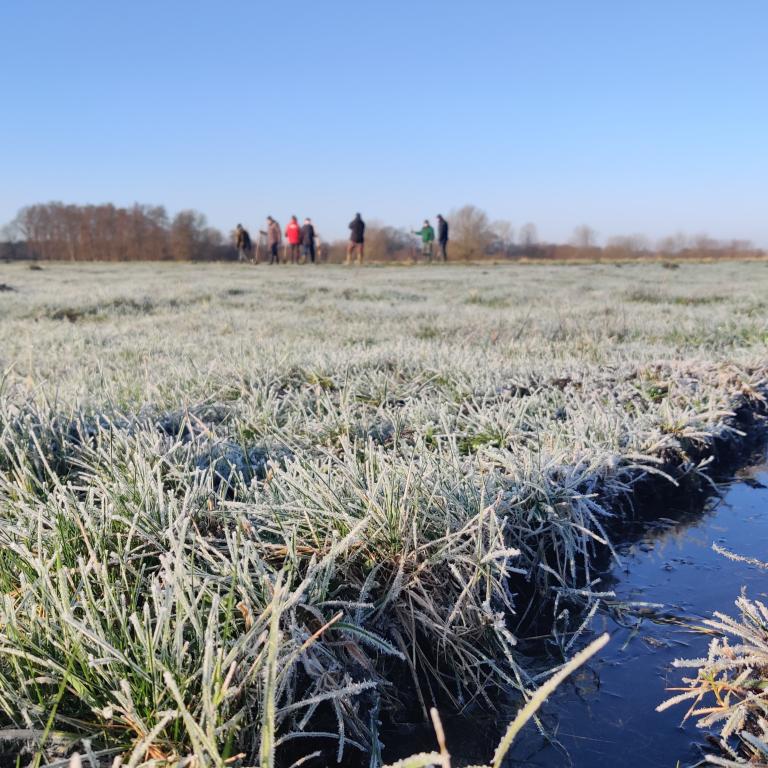
Although it is an old agricultural technique, grassland irrigation offers many opportunities for the future. Heritage bearers Jan and Luc tell us all about it.

The Oyenbrug mill in Grimbergen. Generating green energy

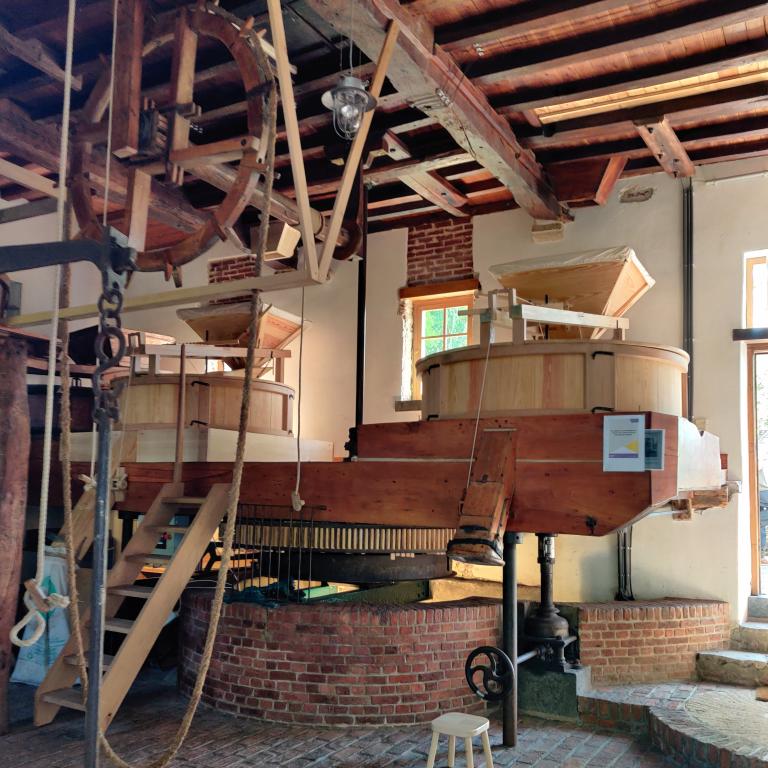
Today, watermills can have various sustainable applications. At the Oyenbrug mill in Grimbergen, miller Erik focuses on ecology and energy.

De Maat in Mol. Restoration of the water meadows.

After almost 40 years of no irrigation, there is a lot of work in Mol to restore the existing structures to their full glory. With the restoration, the volunteers are bringing both the area's biodiversity and history to life!

The watermill of Coll. The future of watermill landscapes.

Watermills and their weirs have often determined the environment for centuries. There is also an important watermill landscape at the watermill of Coll near Eindhoven.

The Lankheet. Fascinating soil research.

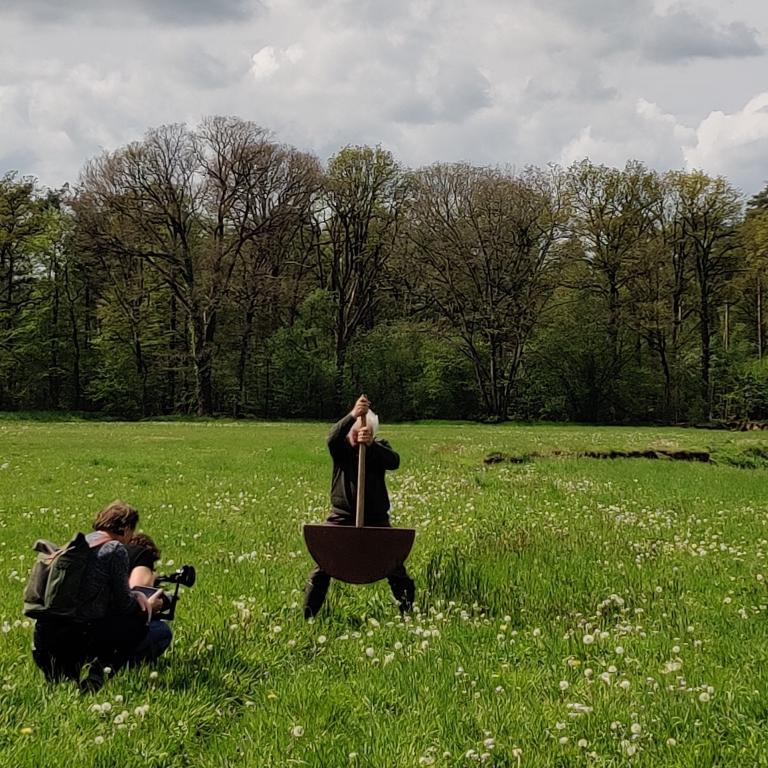
Understanding the soil is crucial to maintaining and managing water meadows. What exactly happens in the soil of irrigated grasslands?

Hedge laying in Oetersloven. Biodiverse assets of the hedge.

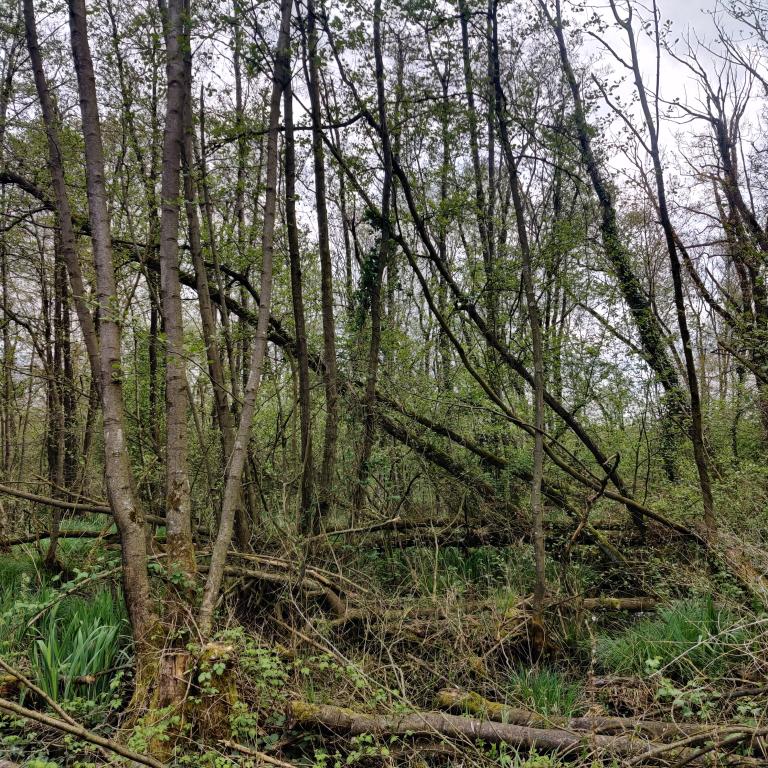
We are introduced to the craftsmanship of hedge laying. What exactly does it mean? And what are the assets for biodiversity?

Flowers and burrows. Inspiration from North Brabant

Taking the environment into account, the availability of food for the honey bee and other pollinators, is the basic condition for sustainable beekeeping. We visit a number of interesting examples in North Brabant that provide both honey and wild bees with a 'food and bed'.

Hedges in the Ooijpolder. Working together for the future

In the Ooijpolder, various experiments to restore biodiversity have already been carried out in the nature reserve, together with farmers. The hedges returned to the landscape. Today its effects are being investigated. What are the preliminary results? And what does the future look like for the Ooijpolder?

Beekeepers and science. Research at Honeybee Valley

The age-old craftsmanship of the beekeeper, his insight into the vitality and functioning of a bee colony can, together with research and technological innovations, contribute to a sustainable future. Through citizen science projects, beekeepers can not only collect information for and about their honey bees, but they can also contribute to climate adaptation research.
De Dobbelhoeve in Schilde. Cooperation between nature an agriculture

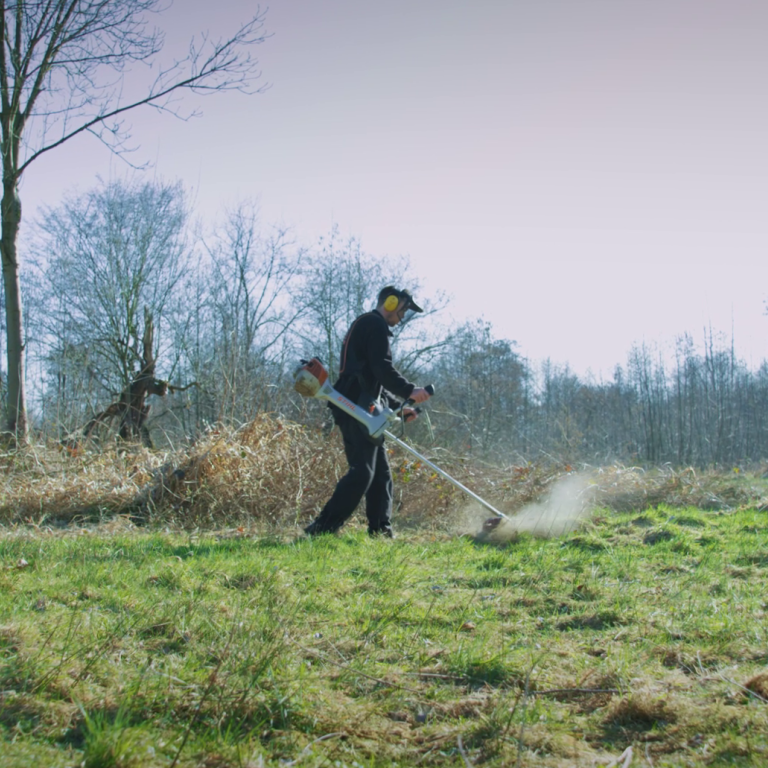
At the Dobbelhoeve organic farm, farmers are collaborating with Natuurpunt through the Interreg project CLOSECYCLE to compost grass clippings from nature reserves and apply them to their fields. Farmer Piet and Natuurpunt employee Wim talk about their collaboration.

't Sierveld in Mechelen. Closing cycles

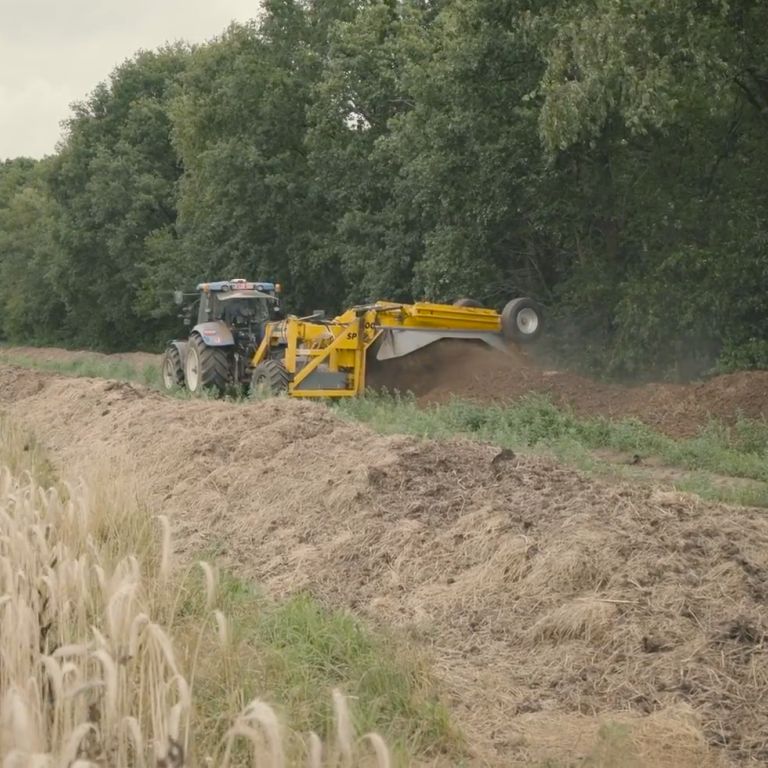
Farm composting helps close local cycles, is a waste management method, and recycles residual flows, promotes healthy soil, and reduces the need for chemical fertilizers. Discover how Yves and Iris are getting started with composting on their farm in Mechelen (Dutch Limburg).

Intangible heritage as a driver for a climate-resilient future

This documentary, based on the heritage practices we investigated in the project, and with explanations by Ignace Schops and Gertjan de Boer, shows the many connections between heritage and climate, as well as the challenges associated with them.

Production: Joris Gijsen (Willem Tel.)

Werkplaats Immaterieel Erfgoed
ILVO
Pulse
Human and Nature
Rivierenland
Agentschap Onroerend Erfgoed
Vlaamse Land Maatschappij
Vlaamse Milieumaatschappij
Wageningen
Meertens Instituut
Universiteit Antwerpen